
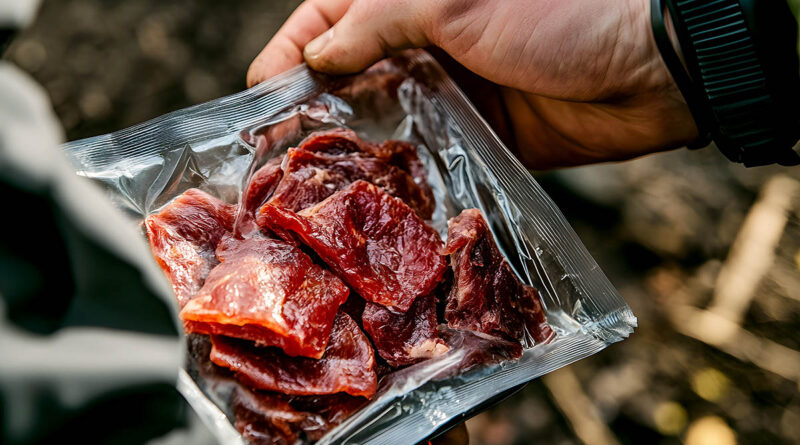
Freeze-drying protects humanity from hunger
Freeze-drying as a safeguard against hunger for humanity – a food security strategy in times of crisis
Nutritional value of freeze-dried food
Freeze-drying as a response to global crises
Switzerland as a model of systemic food security
Freeze-drying as a benefit for food producers
Freeze-drying cost and availability on the market
Freeze-drying in everyday use
Freeze-drying protects humanity from hunger - a food security strategy in times of crisis
Freeze-drying is currently the best way to extend the shelf life of all food products. Thanks to it, products that quickly lose their freshness in natural conditions can survive twenty-five years (or even longer!) in a tightly closed package, while maintaining their taste and most of their nutritional value. This is a huge advantage in the era of the growing problem of food waste.
This process involves removing water from food at low temperature and under low pressure, which results in sublimation – the transition of water from a solid state directly to a gas. Unlike traditional methods, such as drying, freeze-drying does not expose products to high temperatures, thanks to which they retain their cellular structure, color, aroma and valuable ingredients, such as vitamins and minerals. The very low level of moisture content in freeze-dried products, at most a few percent, in turn prevents the growth of any microorganisms or fungi, making freeze-drying one of the most effective methods of food preservation
Nutritional value of freeze-dried food
Freeze-dried food does not have a higher nutritional value than fresh food, but it is superior to other preservation methods in terms of preserving nutrients. Compared to convection drying, pasteurization or sterilization, freeze-drying allows for the preservation of up to 90-95% of the value of vitamins and microelements, making it the most “nutritional” form of long-term storage.
Freeze-drying as a response to global crises
Climate change, increasingly frequent droughts, floods, and armed conflicts can result in serious disruptions in supply chains and problems with food supply. That is why it is so important to create stocks of durable products that can be stored for a long time without access to electricity, refrigeration, or infrastructure.
Freeze-drying as a preservation technology is part of the global food security strategy. It allows us to preserve food surpluses produced during the harvest season and secure them for times of crisis. This reduces the scale of waste and increases the chance of a quick response in emergency situations.
Switzerland as a model for systemic food security
One of the best prepared countries in terms of emergency food reserves is Switzerland. This country not only has an extensive network of nuclear shelters, but also a long-term food storage system, including freeze-dried food.
The Swiss assume that society will have to function independently for at least two weeks without external support. Freeze-dried food supplies – light, durable and rich in nutrients – are an integral part of this strategy. Such a policy can serve as an inspiration for other countries, including those in Central and Eastern Europe, where issues of food security and self-sufficiency are becoming increasingly important.
Freeze-drying benefits for food producers
When faced with surplus production, instead of disposing of excess food and suffering financial losses, manufacturers can invest in the freeze-drying process. This allows products that would normally be thrown away due to their short shelf life to be transformed into products with a long shelf life. This process reduces waste while opening up new market opportunities.
The benefits of freeze-drying can be significant, as manufacturers can sell freeze-dried products at a higher price due to their durability and ease of storage. This in turn increases margins and minimizes the risk associated with unused food supplies. Freeze-drying, as a method that minimizes losses in quality and nutritional value, is becoming an increasingly popular solution in many industries, from the food industry to the production of food for tourism or emergency services.
Freeze-drying cost and market availability
Freeze-drying is a technology that allows for significant improvements in the efficiency of food storage and distribution. Thanks to their long shelf life and the lack of refrigeration, freeze-dried products are becoming an extremely convenient solution for food manufacturers. They offer the possibility of selling products with a long shelf life that are easy to prepare.
Freeze-drying is an investment that can help manufacturers not only manage surplus production, but also improve cost efficiency by reducing losses associated with rapid food spoilage. Instead of worrying about a short shelf life, manufacturers can offer their products in a new form, which increases their market value and opens up new sales opportunities.
Freeze-drying in everyday use
Freeze-dried products are increasingly used not only in survival or tourism, but also in everyday life. Freeze-dried fruit, soups, vegetables and ready meals are light, convenient and do not contain preservatives. They are ideal for work, college or as emergency food at home.
Freeze-dried food is also enjoying growing interest among vegans, people on a gluten-free diet and enthusiasts of a healthy lifestyle who want to have access to full-value meals without the need to prepare them daily.
Freeze-drying as a way to extend the life of food is not only a technological innovation, but also a practical tool in the fight against the problems of the modern world. In the era of global crises – from climate change to wars – this technology gives a real chance to secure access to food for a long time.
Inspired by the Swiss model and developing national storage systems, we can prepare for unforeseen situations without panic and chaos. And on top of that – reduce the scale of food waste and use convenient, healthy solutions every day.


