A microneedle patch that can recreate teeth
Korean Invention
How Does a Microneedle Patch Work?
Tests and Clinical Potential
Advantages and the Future of Regenerative Medicine in Dentistry
Korean invention
Scientists in South Korea have made a breakthrough discovery that could change dentistry forever. Researchers from Seoul National University have developed a microneedle patch that stimulates stem cells in the jaw to naturally regrow teeth. If this technology is implemented in clinical practice, dentures and implants could become unnecessary, and patients could regain their natural teeth.
This innovative approach opens the door to regenerative medicine in dentistry, where treatment involves not only repairing but actually regenerating lost tissue.
How does the microneedle patch work?
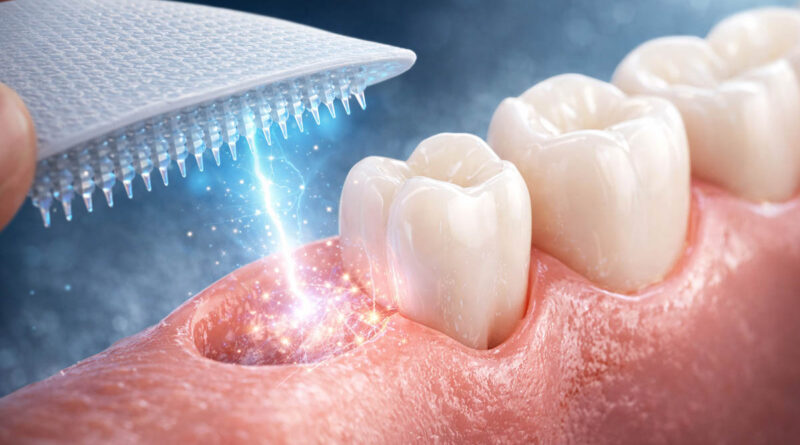
The patch uses microneedles to deliver tideglusib, a drug known to promote tooth repair, directly to the gums. The microneedles are painless and penetrate only the gum surface, allowing precise access to the stem cells in the jaw.
This allows the patch to stimulate enamel regeneration and accelerate tooth healing. This solution is more natural and cost-effective than traditional treatments such as implants or dentures, which replace lost teeth but do not fully restore them biologically.
Testing and Clinical Potential
Although the patch is still in the experimental phase, initial results are promising. According to Cebu Dental Implants, this method could eventually become the standard treatment for patients with dental cavities. Scientists predict that the patch could be clinically available as early as 2026, giving millions of patients the opportunity to restore their own teeth without artificial implants.
Experts emphasize that the success of this technology could revolutionize dentistry. Instead of relying on dentures, dentists will be able to stimulate the patient’s natural regenerative mechanisms.
Advantages and the future of regenerative medicine in dentistry
Microneedle patches offer numerous benefits to both patients and dentistry as a whole. They enable natural tooth regeneration, allowing patients to preserve their own tissues instead of relying on artificial dentures or implants. The microneedles work painlessly, precisely delivering the medication directly to the jaw’s stem cells, accelerating the healing process and enamel restoration. Treatment becomes less invasive, more comfortable, and more cost-effective. Patients gain the opportunity to regain a full, healthy smile, and dentistry can enter a new era of regenerative medicine, where treatment involves restoring the body’s natural functions, not simply replacing them.
A microneedle patch developed by South Korean scientists may one day enable tooth regeneration in patients who have lost their teeth. The method uses tideglusib to stimulate stem cells, accelerate healing, and rebuild enamel. Although it requires further clinical trials, the patch is likely to become available to patients as early as 2026. This is a breakthrough that could move dentistry from the realm of artificial prosthetics to true regenerative medicine.